

 When we think about adapting humanity to the challenges of climate change, it’s tempting to reach for technological solutions. We talk about seeding our oceans and clouds with compounds designed to trigger rain or increasing carbon uptake. We talk about
Can You Really Change the World Starting With One Choice?
The world feels broken, but what if the solution isn’t out there—it’s within you? Every thought, every reaction, every choice shapes…

 By many accounts, the spread of solar power is unstoppable. Costs continue to fall at a blistering pace, solutions to give consumers a solar-powered home without needing to connect to the grid for back-up power are emerging, and even the
 Despite what the doubters say, a low-carbon economy is not only possible, it makes economic sense.
 Buddhist leaders are urging global leaders to cooperate with compassion and wisdom and reach an ambitious and effective climate agreement at the 21st Session of the Conference of Parties (COP21) to the UN Framework Convention on Climate Change (UNFCCC) in Paris.
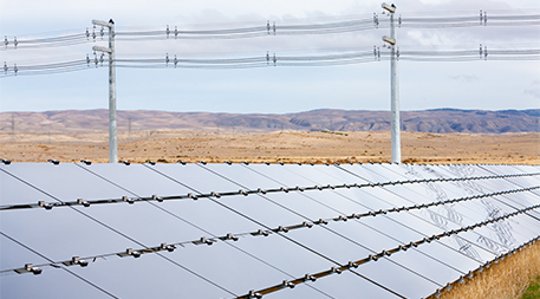 Inside a sprawling single-story office building in Bedford, Mass., in a secret room known as the Growth Hall, the future of solar power is cooking at more than 2,500 °F.
 An increasingly water-stressed world takes a new look at desalination. It seems simple enough: Take the salt out of water so it’s drinkable. But it’s far more complex than it appears at first glance. It’s also increasingly crucial in a world where freshwater resources are progressively strained by population growth, development, droughts, climate change and more.
 California’s byzantine water system and crushing drought are leading farmers to extraordinary measures as they try to keep themselves from running dry. On a warm March afternoon, farmer Cannon Michael walks alongside wheat fields adjacent to his house in Los Banos, in California’s Central Valley. Most of these fields won’t be watered again this year.
 The urge to solve humankind’s energy-generating problems is felt by innovators around the planet. Before the Internet and its open sourcing of knowledge, lone inventors tried to single-handedly save us from our dependence on dirty fuels. And long before hippies saw the dawning of an Age of Aquarius, a few individuals discovered that water is a key to independence.
 Texas is known for cheap and plentiful energy resources, but they’re usually of the dirty, fossil fuel–based variety. That reputation is changing. Texans can now buy renewable energy packages that are as cheap as or cheaper than the coal- or natural gas–based alternatives.
 After years of bitter disappointment, things look different now. Sure, U.S. state houses and Congress are a denier-dominated mess, the big Paris conference is already being written off, and the on-the-ground evidence is looking bleak. But after years of cynicism, I see elements of a sea change in urgency and attitude on climate.
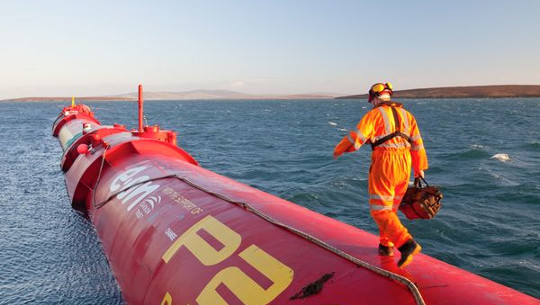 The announcement that a pioneering wave farm off Perth has started generating electricity is an exciting and welcome development. The project, developed by Fremantle-based Carnegie Wave Energy, features two buoys, 11 m in diameter, below the sea surface (with a third to follow).
 Cities may only occupy about 2% of the world’s habitable land, but they are big drivers of global climate change. Cities are usually hotter than rural areas, and get referred to in the jargon as “urban heat islands.”
 In April 2015, we will mark the five-year anniversary of the Deepwater Horizon oil spill. The accident released millions of barrels of oil into the Gulf of Mexico, causing extensive impacts on the marine ecosystem, wildlife habitat, and the fishing and tourism industries in Louisiana and other Gulf states.
 It can be tempting to think that people who disagree with you are mad, bad or simply stupid. However, not only are such judgements usually wrong, but telling people that they are stupid is unlikely to convince them of the merit of your own view.
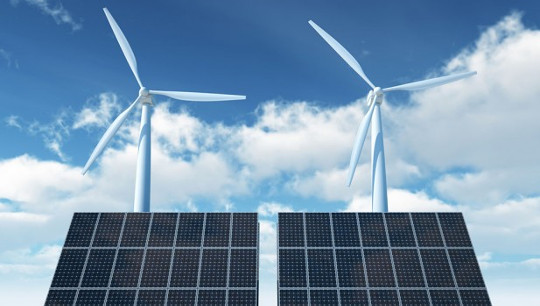 In this red state, publicly owned utilities provide electricity to all 1.8 million people. Here's how Nebraska took its energy out of corporate hands and made it affordable for everyday residents.
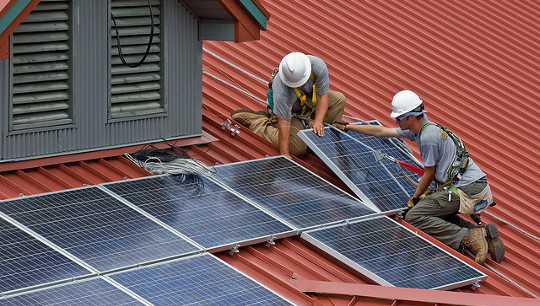 Over the past five years the world has seen a dramatic fall in the cost of solar energy, particularly rooftop solar panels or solar photovoltaic power. It is now a real alternative and considerable player in the power markets.

According to the pundits and techno-prophets who dominate the media, the future of transportation is all figured out for us. Cheaper gas prices mean we can still count on our private cars to take us everywhere we want to go. The only big change down the road will be driverless autos, which will make long hours behind the wheel less boring and more productive.

A few years ago, the Mexican government pinpointed a promising method for reducing carbon dioxide emissions: Encourage Mexicans to trade in their old refrigerators, air conditioners, light bulbs and the like for more up-to-date models. But how to pay for the program, while making it affordable for poor households?

The urbanization of our population has major implications for climate change. The sheer volume of all this growth in highly concentrated areas, combined with the corresponding growth in carbon emissions, requires that our cities be able to adapt and evolve more quickly than ever before.The good news is: they can.

When we design cities like ecosystems, they have the potential to address many of our most pressing issues. Of all the things people build, cities are the most important.
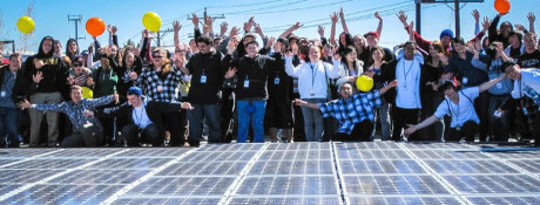
There is no shortage of shouting and dire warnings about the state of the climate and our need to phase out fossil fuels. But there is a more silent revolution happening too — in micropower.

The United States, the world’s biggest historical emitter of greenhouse gases, has pledged to cut emissions by 26-28% by 2025 relative to 2005 levels, while China, the current biggest emitter, has promised to peak its emissions by no later than 2030.

When it comes to providing jobs and money to towns and cities, not all renewable energy is created equal. At last month’s People’s Climate March, among the most popular signs were ones supporting renewable energy like wind and solar as the best way to avoid a climate catastrophe.